

Getting older comes with many rewards — but your teeth face new challenges after 60. Understanding why dry mouth and gum recession after 60 need professional care in Frisco is the first step toward protecting your smile. At V Smile Family Dental – Frisco, Dr. Vijaya Kallam helps seniors navigate these changes with personalized, compassionate care. Catching problems early makes a significant difference in long-term oral health outcomes.
How Aging Changes Your Oral Health After 60
Your body changes with age, and your mouth is no exception. Gum tissue gradually recedes, bone density can decrease, and saliva production often slows down. These changes are normal, but they create conditions where cavities and infections develop more easily. Staying informed helps you take action before small issues become serious problems.
Many patients over 60 are managing multiple health conditions at the same time. Common medications for blood pressure, anxiety, allergies, and diabetes often list dry mouth as a side effect. Less saliva means your mouth loses its natural defense against harmful bacteria. That shift accelerates tooth decay and gum disease faster than most people expect.
Root exposure from gum recession creates another layer of risk. Tooth roots are softer than enamel and have no protective coating. Once exposed, they become vulnerable to root decay — a condition that progresses quickly without treatment. Regular professional visits are the most effective way to monitor and manage these changes over time.
Dry Mouth in Seniors: Why It Demands Professional Attention in Frisco
Dry mouth, or xerostomia, affects nearly 30% of adults over age 65. It is not just uncomfortable — it is a genuine threat to your oral health. Saliva neutralizes acids, washes away food debris, and helps remineralize tooth enamel. When saliva production drops, that protection disappears entirely.
Patients experiencing dry mouth often notice increased sensitivity and more frequent cavities. Dentures can become difficult to wear comfortably because saliva acts as a natural adhesive. Chewing and swallowing may also feel harder than before. These symptoms deserve attention from a dental professional, not just over-the-counter remedies.
Dr. Kallam evaluates each patient’s medication list and health history during every exam. This helps identify whether dry mouth stems from medications, systemic disease, or other causes. Treatment options may include fluoride applications, prescription-strength rinses, and saliva-stimulating products. A personalized plan makes a measurable difference in protecting your teeth long-term.
- Use alcohol-free mouth rinses to avoid further drying
- Sip water consistently throughout the day
- Chew sugar-free gum to stimulate saliva production
- Ask Dr. Kallam about prescription fluoride toothpaste
- Attend professional cleanings every three to four months if at high risk
Gum Recession and Root Decay: What Seniors Need to Know
Gum recession exposes the roots of your teeth over time. This process happens gradually and often goes unnoticed until sensitivity or visible changes appear. Root surfaces lack the hard enamel that protects the crown of your tooth. That softness makes root decay a fast-moving and serious concern for adults over 60.
Root decay can spread quickly and may reach the nerve before causing significant pain. Many patients are surprised to learn decay is present at a routine exam. That is exactly why professional monitoring matters so much at this stage of life. Early detection allows for conservative treatment options that preserve more of your natural tooth.
Gum disease also becomes more aggressive as gum tissue recedes. Pockets form between the teeth and gums, trapping bacteria where brushing cannot reach. Left untreated, this leads to bone loss and eventual tooth loss. Regular deep cleanings and consistent homecare help keep this process under control.
- Use a soft-bristled toothbrush to avoid worsening recession
- Brush gently in small circular motions near the gumline
- Floss daily to remove bacteria from between teeth
- Tell your dentist about any new sensitivity immediately
- Ask about prescription fluoride varnish applications at each visit
Dental Implants and Tooth Replacement Options for Patients Over 60
Tooth loss becomes more common after age 60, and replacing missing teeth matters more than many patients realize. Gaps in your smile allow neighboring teeth to shift and bone to deteriorate. Restoring that structure preserves your bite function, facial shape, and overall confidence. Modern dentistry offers several strong options tailored to senior patients.
Dental Implants are one of the most effective long-term solutions for tooth replacement. They integrate with the jawbone and function just like natural teeth. Many patients over 60 are excellent candidates, especially when bone density is evaluated properly. Dr. Kallam performs a thorough assessment to determine whether implants are the right fit for each patient.
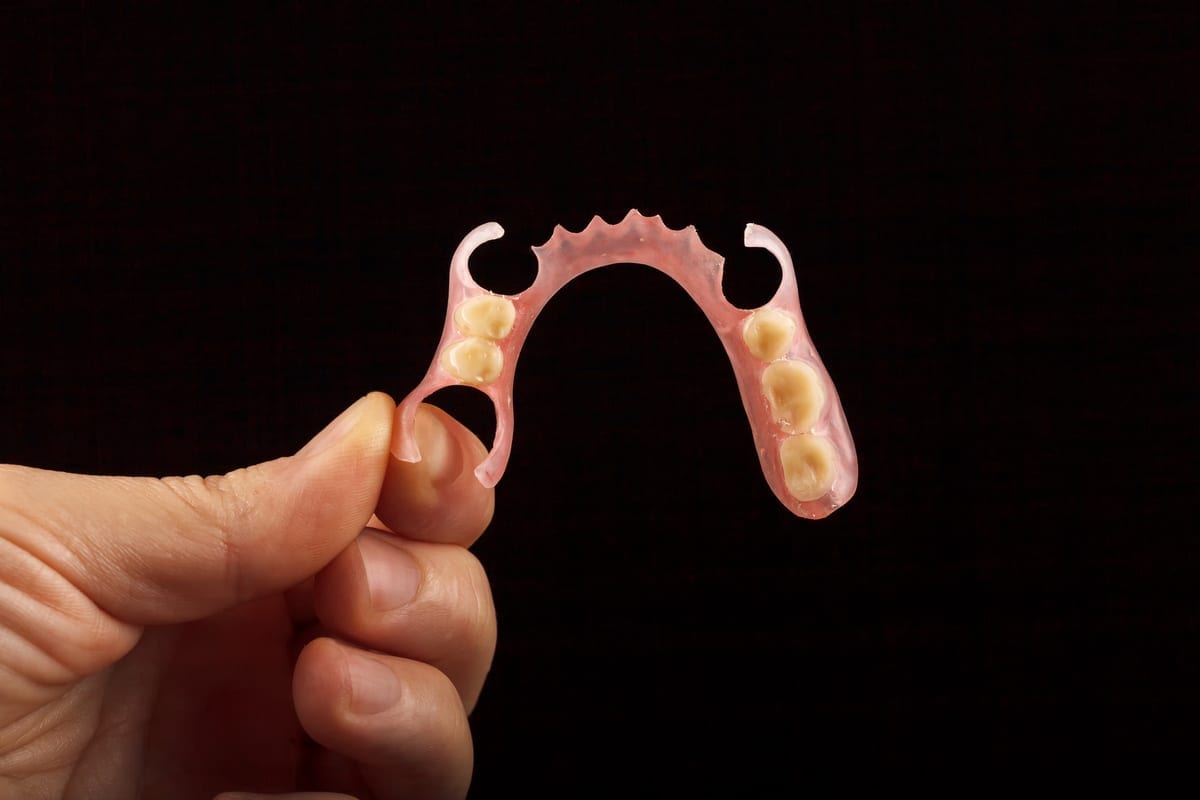
Patients who are not implant candidates have other reliable options. Partial dentures, full dentures, and implant-supported dentures all restore function and appearance. Each solution has distinct advantages depending on your health, bone levels, and goals. A personalized consultation helps you understand which option fits your specific situation best.
Orthodontic treatment is also a growing option for older adults. Many seniors are surprised to learn that Invisalign Clear Braces Cost At V Smile Family Dental is quite manageable and the treatment works well for adults of all ages. Correcting alignment can improve oral hygiene, reduce wear, and enhance confidence. Dr. Kallam discusses all available options clearly so patients can make informed decisions.
Partnering With Your Frisco Dentist for Long-Term Senior Oral Health
Proactive dental care after 60 is not about vanity — it is about maintaining your health and quality of life. Tooth loss and untreated gum disease have been linked to systemic conditions including heart disease and diabetes. Treating oral health as part of your overall wellness plan is essential at this stage. Dr. Vijaya Kallam takes a whole-body approach to every patient’s care.
Preventive visits every three to six months are the foundation of senior dental health. During these appointments, the team monitors gum levels, checks for root decay, and assesses soft tissue health. Professional cleanings remove buildup that home care cannot address alone. These visits also allow for early detection of oral cancer, which increases in risk after age 60.
V Smile Family Dental – Frisco is designed to make every patient feel comfortable and respected. The team understands that dental anxiety is common and that many seniors have had difficult past experiences. Every visit is approached with patience, clear communication, and genuine care. You deserve a dental home that treats your needs with the attention they require.
Taking control of your oral health today protects your smile for years to come. Book Now to schedule your appointment with our team.
Frequently Asked Questions
What causes dry mouth in adults over 60?
Dry mouth in seniors is most commonly caused by medications taken for chronic conditions like blood pressure, anxiety, allergies, and diabetes. Systemic diseases such as Sjögren’s syndrome and diabetes can also reduce saliva production. Radiation therapy to the head and neck is another known cause. Dr. Kallam reviews each patient’s health history to identify the root cause and recommend targeted treatment.
Is gum recession reversible?
Once gum tissue has receded, it does not grow back on its own. However, the progression can be slowed or stopped with proper professional care and consistent home hygiene. In some cases, soft tissue grafting procedures can restore gum coverage. Early intervention is key to preserving as much tissue as possible.
Can I get dental implants if I have bone loss from gum disease?
Bone loss does not automatically disqualify a patient from dental implants, but it does require careful evaluation. Dr. Kallam assesses bone density and volume using imaging before making any recommendations. Bone grafting procedures may be recommended to build up the site before implant placement. Every case is different, and a personalized consultation is the best way to determine your options.
How often should seniors visit the dentist?
Most dental professionals recommend that patients over 60 visit every three to four months rather than every six months. This more frequent schedule allows for better monitoring of gum recession, dry mouth effects, and root decay. It also provides more opportunities for professional fluoride applications and early problem detection. Dr. Kallam tailors the recall schedule to each patient’s specific risk level.
Does dry mouth increase the risk of cavities?
Yes, dry mouth significantly increases cavity risk. Saliva plays a critical role in neutralizing acids, rinsing away food particles, and remineralizing enamel. Without adequate saliva, bacteria thrive and acids linger on tooth surfaces much longer. Patients with dry mouth often benefit from more frequent cleanings and prescription-strength fluoride products.