


Losing a tooth feels like the hard part is over. But what happens next — especially when you skip replacing it — can quietly reshape your entire mouth. Understanding what happens to your jaw when you skip a dental bridge in Hackberry is essential for protecting your long-term oral health. The consequences are gradual, but they are very real. Dr. Vijaya Kallam at V Smile Family Dental in Frisco helps patients from Hackberry understand these risks every day.
The Hidden Chain Reaction Inside Your Jaw
Your teeth and jawbone work together constantly. Every time you chew, your teeth send pressure signals down through the roots into the bone. This stimulation keeps the bone dense and healthy. When a tooth goes missing, that stimulation disappears from one spot entirely.
The jawbone in that area begins to shrink — a process called bone resorption. It happens slowly, but it starts within weeks of a tooth loss. Within a year, you can lose a significant portion of bone volume at the site. A dental bridge, placed in time, helps preserve this bone by restoring chewing function.
Neighboring teeth also start to drift toward the gap. This movement is not random — it is the mouth trying to fill empty space. Teeth that shift out of alignment create new bite problems that were never there before.
What Happens to Your Jaw When You Skip a Dental Bridge in Hackberry
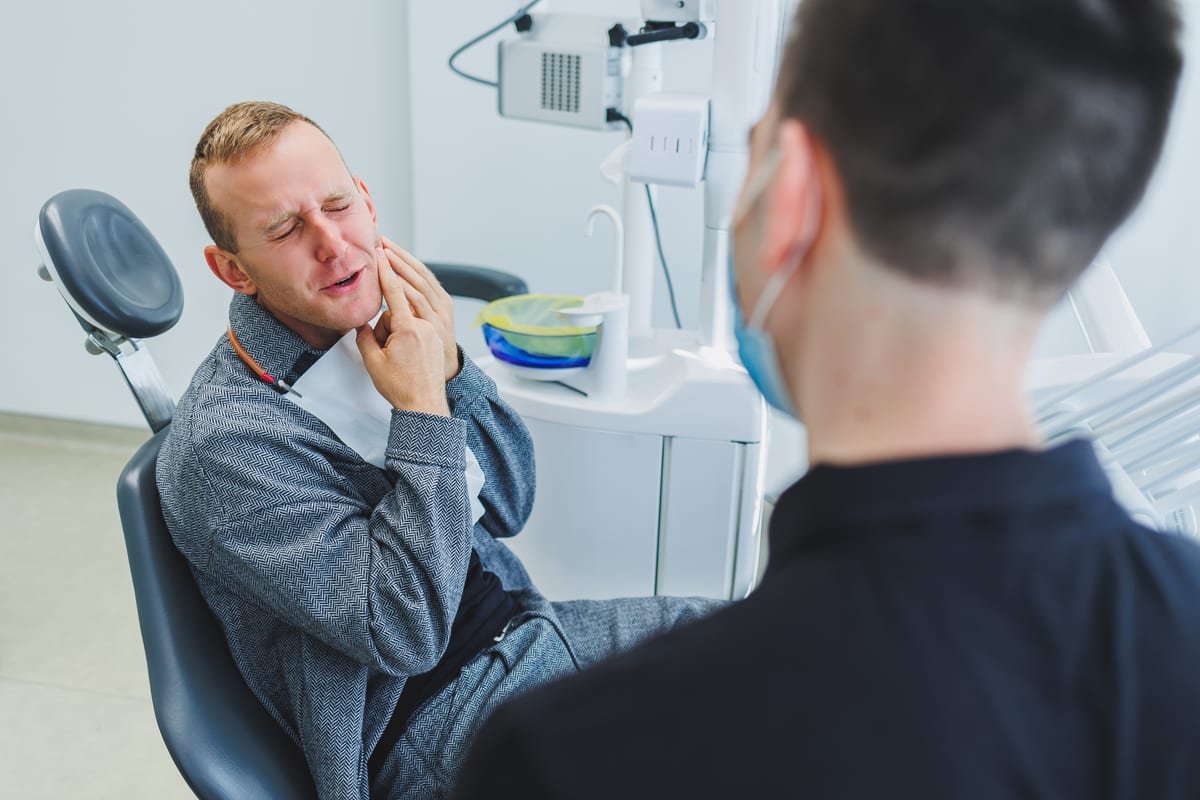
Hackberry residents who delay bridge placement often report jaw soreness or uneven chewing. These symptoms are signs that the jaw is working unevenly. When teeth shift, your bite changes — and your jaw muscles have to compensate. Over time, this strain can lead to temporomandibular joint (TMJ) discomfort.
TMJ problems can cause clicking, locking, or persistent jaw pain. Many patients do not connect these symptoms back to the missing tooth. By the time they seek help, the problem has moved well beyond a simple gap. Early replacement with a bridge can prevent this entire cascade.
Bone loss also changes the shape of your face. The lower portion of the face can appear sunken or aged when jaw structure is lost. This is not just cosmetic — it reflects real structural changes happening beneath the surface. Cosmetic Dentistry Hackberry solutions work best when there is adequate bone and gum structure to support them.
The Domino Effect on Surrounding Teeth
When one tooth drifts, it pushes on the next. That next tooth shifts too, and the pattern continues. This crowding or spacing makes it harder to clean between teeth properly. Poor access leads to plaque buildup, which increases the risk of decay and gum disease.
Here is what commonly happens to surrounding teeth when a bridge is skipped:
- Adjacent teeth tilt toward the gap over months
- The opposing tooth begins to over-erupt (growing into empty space)
- New gaps form between teeth that were once properly aligned
- Bite pressure becomes unevenly distributed across the mouth
- Increased wear appears on teeth that now absorb extra force
Each of these changes creates new dental problems. What started as one missing tooth can eventually require multiple restorations. Addressing the gap early with a bridge is far simpler and less costly than treating these downstream effects.
Why a Dental Bridge Is Worth Considering Early
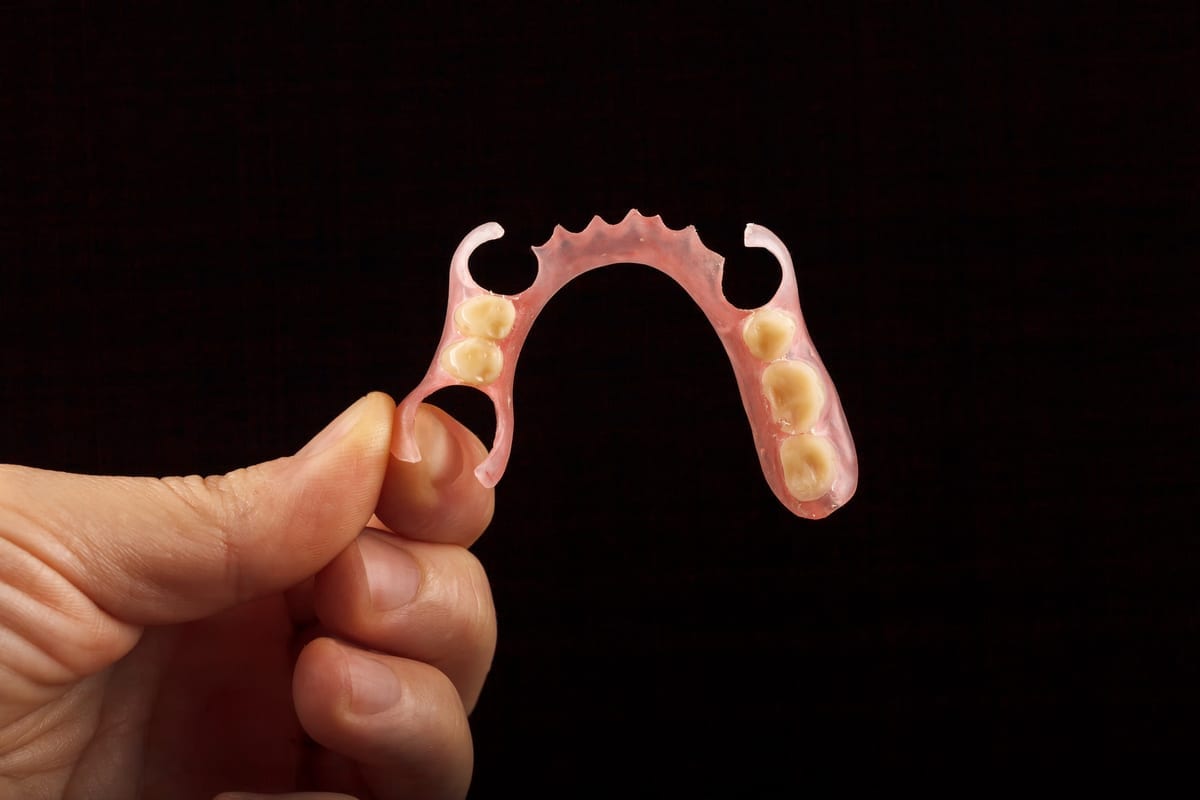
A dental bridge is a fixed restoration that spans the gap left by a missing tooth. It anchors to the healthy teeth on either side and holds a false tooth in the middle. Once placed, it restores your bite, preserves surrounding teeth alignment, and keeps chewing forces distributed evenly.
Benefits of getting a dental bridge in a timely manner include:
- Preventing bone resorption at the extraction site
- Stopping adjacent teeth from drifting out of position
- Restoring full chewing function on both sides of the mouth
- Maintaining the natural shape of your face and jaw
- Reducing the risk of TMJ strain and jaw soreness
- Protecting nearby teeth from excess wear and pressure
The bridge procedure typically requires two appointments. The first visit prepares the anchor teeth and places a temporary bridge. The second visit seats the permanent restoration. Most patients find the process straightforward and comfortable.
When to Seek Help for Jaw Symptoms in Hackberry
Not every jaw symptom means a bridge is the right solution. But any unexplained jaw ache, clicking, or difficulty chewing deserves professional evaluation. These symptoms should not be dismissed as normal aging or stress. They are often the mouth signaling that something structural needs attention.
If you have already lost a tooth and are experiencing jaw discomfort, do not wait. Early intervention almost always produces better outcomes than delayed treatment. In some situations, untreated jaw pain can escalate quickly and require more urgent care. If symptoms become severe, Emergency Urgent Dental Care Near You Hackberry is available to help you get relief promptly.
Dr. Vijaya Kallam takes a thorough, compassionate approach with every patient. She evaluates bone health, bite alignment, and gum condition before recommending any restoration. Hackberry patients receive care that is honest, individualized, and focused on long-term outcomes — not quick fixes.
Conclusion: Protect Your Jaw Before Problems Escalate
A missing tooth might seem minor at first. But skipping a dental bridge sets off a slow chain of changes that affect your jaw, your bite, your neighboring teeth, and even your facial structure. Understanding what happens to your jaw when you skip a dental bridge in Hackberry can motivate you to act before the damage compounds. The sooner the gap is addressed, the simpler and more effective the treatment will be. Book Now to schedule your appointment with our team.
Frequently Asked Questions
How soon does jaw bone loss start after losing a tooth?
Bone resorption can begin within a few weeks of tooth loss. Significant volume loss is often measurable within the first six to twelve months. Acting quickly with a bridge or implant helps slow this process considerably.
Can a dental bridge stop my teeth from shifting?
Yes. A bridge fills the gap and provides a physical barrier that prevents neighboring teeth from drifting. It also restores normal chewing forces, which helps keep the surrounding teeth stable over time.
Is jaw pain always related to a missing tooth?
Not always, but a missing tooth is a common contributing factor. When the bite becomes uneven due to shifting teeth, jaw muscles work harder and can become strained. An evaluation by Dr. Kallam can identify whether the two are connected in your case.
What if I have already lost significant jaw bone — can I still get a bridge?
It depends on the extent of bone loss and the health of the anchor teeth. In some cases, bone grafting may be recommended first. Dr. Kallam will assess your individual situation and discuss the most appropriate path forward.
How long does a dental bridge typically last?
With proper care, a dental bridge can last ten to fifteen years or longer. Regular brushing, flossing under the bridge with a floss threader, and routine dental checkups help extend its lifespan significantly.