
Your shifting teeth might be screaming for dental implants in Little Elm — and most people don’t realize it until real damage has already been done. Tooth loss is more than a cosmetic problem. It triggers a chain reaction inside your jaw that gets harder to reverse over time. If you’ve noticed changes in your bite, your smile, or the way you chew, your body may already be giving you urgent warning signals.
Why Shifting Teeth Are a Serious Warning Sign in Little Elm
When a tooth goes missing, the neighboring teeth begin to drift. They have nothing to push against, so they slowly move toward the empty space. This shifting changes your bite alignment in ways that affect how your jaw functions every single day.
For Little Elm residents who commute, stay busy with family, and push dental visits down the priority list — this drift happens silently. You may not notice until your teeth look visibly crooked or your jaw starts aching. By that point, bone loss has often already begun.
Shifting teeth are not just an aesthetic concern. They create pockets where bacteria thrive. That increases your risk for gum disease, decay, and further tooth loss. One missing tooth, left untreated, can eventually threaten the health of surrounding healthy teeth.
Bone Loss: The Hidden Consequence You Cannot Afford to Ignore
Your jawbone needs stimulation to stay strong. Every time you bite and chew, your tooth roots send pressure signals to the bone beneath them. That stimulation tells your body to keep producing healthy bone tissue.
When a tooth root disappears, that signal stops. The bone in that area begins to shrink — a process called resorption. Within the first year of tooth loss, you can lose up to 25% of the bone width in that spot. The longer you wait, the worse it gets.
This matters enormously for dental implants. Implants require a certain volume of healthy jawbone to anchor securely. If you wait too long, you may need a bone graft before implant placement is even possible. Acting sooner protects your options and your investment.
- Bone resorption begins within weeks of losing a tooth
- Significant bone volume can be lost within the first 12 months
- Advanced bone loss may require grafting before implant surgery
- Facial shape and structure can visibly change over time
- Early implant placement helps preserve the natural bone you still have
Difficulty Chewing — When Your Body Tells You Something Is Wrong
One of the most telling signs you’ve waited too long is struggling to chew comfortably. Many patients unconsciously shift food to one side of their mouth. They avoid certain foods — nuts, raw vegetables, chewy meats — without ever identifying why.
This compensating behavior puts uneven stress on your remaining teeth and jaw joints. Over time, it can cause worn enamel, cracked teeth, and even temporomandibular joint (TMJ) issues. What started as one missing tooth can spiral into a much larger problem.
If chewing has become uncomfortable or you’ve changed what you eat because of your teeth, that’s a clear signal your mouth needs professional evaluation. Dental implants restore full biting force. They function like real teeth — because they’re anchored directly into your jawbone, just like natural tooth roots.
Patients who receive implants consistently report being able to eat without pain or limitation again. That quality-of-life improvement is significant. Food is social, cultural, and nutritional — you deserve to enjoy it without restriction.
Signs You May Have Already Waited Too Long
It’s important to be honest about where you are right now. Many Little Elm patients come to us after years of avoiding the dentist. If any of the following describes your situation, it’s time to take action without delay.
- One or more missing teeth you’ve had for more than six months
- Teeth that look like they’ve shifted or tilted since a tooth was removed
- A sunken or collapsed appearance around your cheeks or jaw
- Loose teeth that weren’t loose before
- Chronic jaw pain or frequent headaches tied to your bite
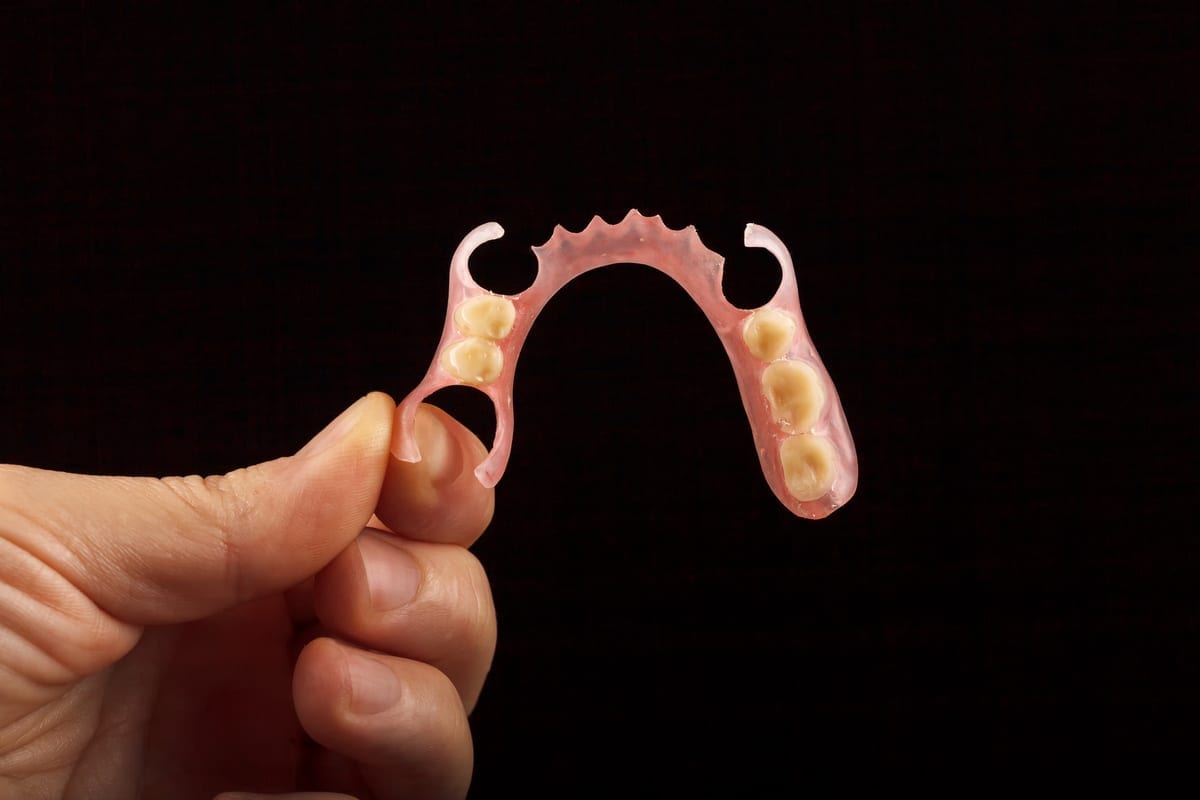
- Dentures or partials that no longer fit well
- Avoidance of certain foods due to discomfort
None of these signs mean it’s too late. But they do mean the window for simpler treatment may be closing. A consultation now helps you understand exactly what’s happening and what your options are.
What Dental Implants Can Do That Nothing Else Can
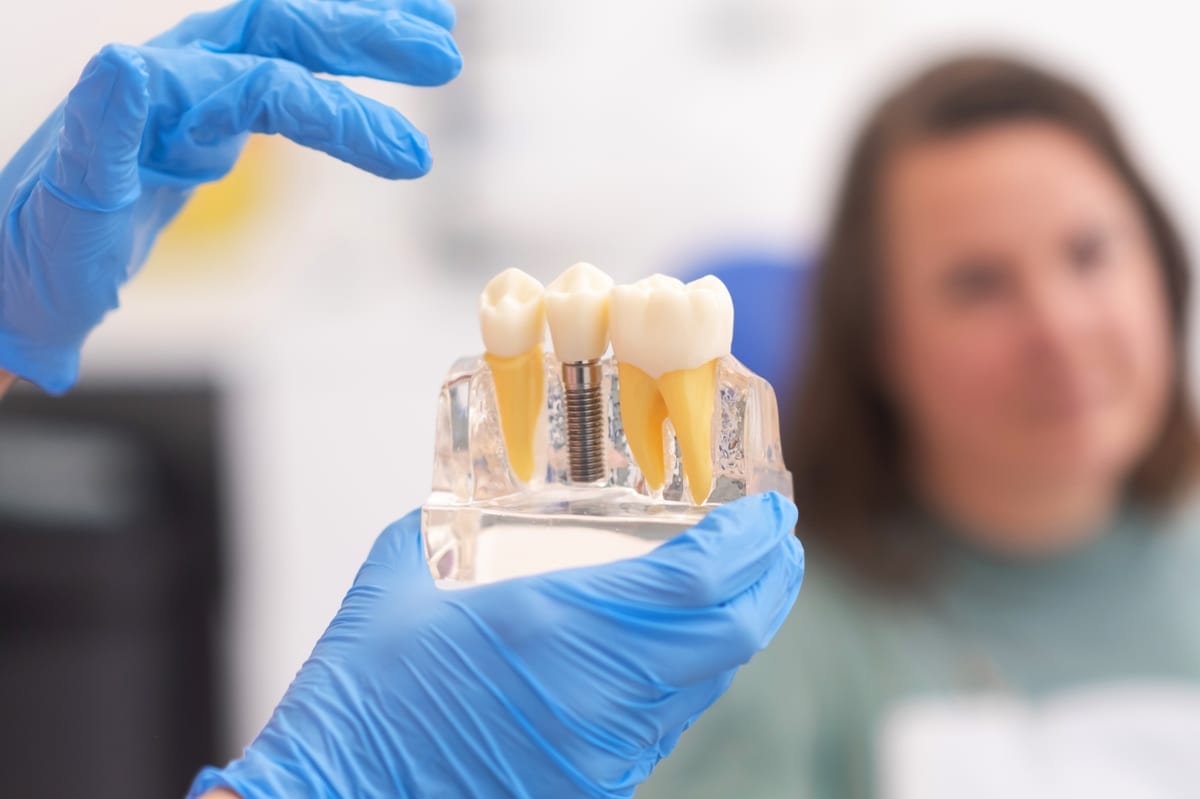
Dental implants are the only tooth replacement option that addresses bone loss directly. A titanium post is placed into the jawbone, where it fuses with the bone through a process called osseointegration. This restored root stimulation stops further bone resorption.
Implants don’t slip, shift, or require adhesives. They don’t require modifying healthy neighboring teeth the way traditional bridges do. They look, feel, and function exactly like your natural teeth. Most patients forget they even have them after a short adjustment period.
At V Smile Family Dental in Frisco, Dr. Vijaya Kallam evaluates each patient’s bone density, gum health, and overall oral condition before recommending implants. The goal is always long-term success tailored to your specific situation. We serve patients from Little Elm who want real, lasting solutions.
If you’ve been exploring other options, it’s worth knowing that treatments like Invisalign Clear Braces Cost At V Smile Family Dental can address alignment, but they cannot replace missing bone or restore a missing root. Similarly, Dental Bonding White Fillings can repair damaged or decayed teeth — but cannot substitute for the structural support an implant provides.
Take Action Before Your Options Narrow Further
The conversation about dental implants is not one to have someday. Every month you wait, more bone may be lost. More teeth may shift. More of your natural structure may be compromised. Waiting doesn’t make the problem smaller — it almost always makes it larger.
Dr. Vijaya Kallam and the team at V Smile Family Dental understand that taking this step can feel overwhelming. Many patients feel embarrassed about how long they’ve waited. We want you to know — you are not judged here. Our priority is helping you move forward with clarity and confidence.
Little Elm patients deserve the same access to expert dental care as anyone else. We make the process straightforward, educational, and supportive from your very first visit. Book Now to schedule your appointment with our team.
Frequently Asked Questions
How do I know if I need a dental implant instead of another restoration?
If you have a missing tooth — or a tooth that cannot be saved — a dental implant is typically the most effective long-term solution. Signs like shifting teeth, bone loss, or an ill-fitting partial denture suggest that a more permanent, root-level replacement is needed. A clinical exam and imaging will confirm what’s best for your specific situation.
Is it too late to get dental implants if I lost a tooth years ago?
In many cases, implants are still possible even after significant time has passed. However, bone loss may have occurred, which could require a bone grafting procedure before implant placement. The sooner you consult with a dentist, the more options you are likely to have available.
Does the dental implant procedure hurt?
Most patients are surprised by how manageable the implant process is. Local anesthesia is used during placement, and most discomfort afterward is similar to having a tooth extracted. Dr. Vijaya Kallam takes care to ensure you’re comfortable throughout each phase of treatment.
How long do dental implants last?
With proper care, dental implants can last decades — and in many cases, a lifetime. The implant post itself is designed for permanence. The crown attached to it may need replacement after 15 to 20 years depending on wear and hygiene habits.
Can shifting teeth be corrected along with getting implants?
Yes. Many patients benefit from a combined treatment plan that addresses both tooth replacement and alignment. Dr. Kallam can evaluate whether implants, orthodontic treatment, or a combination approach best meets your needs. Each treatment plan is customized based on your oral health goals.