
If you live in Little Elm and you’re considering dental implants, one question likely comes up first. How long will they actually last? The good news is that dental implants last 20+ years for most patients — and what really matters in Little Elm is how you care for them long-term. With the right approach, many implants last an entire lifetime. Dr. Vijaya Kallam at V Smile Family Dental helps patients understand exactly what drives implant longevity.
Why Dental Implants Are Built to Last 20+ Years
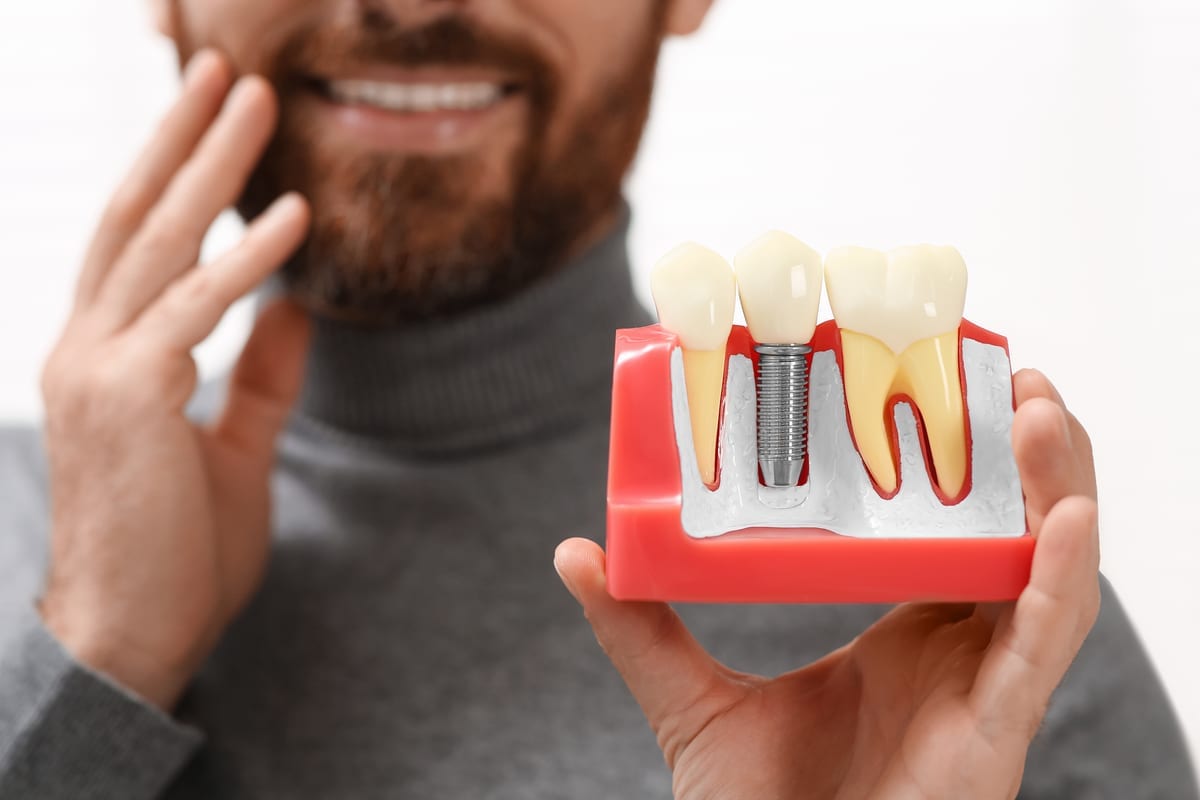
Dental implants are made from titanium, a biocompatible metal the body accepts easily. Over time, the implant fuses with your jawbone through a process called osseointegration. This creates a strong, stable foundation that acts like a natural tooth root. No other tooth replacement option comes close to matching this level of durability.
Studies consistently show implant success rates above 95% after ten years. Many patients reach the 20-year mark with zero complications. The implant post itself rarely fails — it’s the surrounding gum and bone health that determines long-term outcomes. That’s why patient habits and professional care matter so much.
Unlike bridges or dentures, implants don’t rely on neighboring teeth for support. They stand independently, which reduces stress on the rest of your smile. This structural independence is a major reason implants outlast most alternative treatments by decades.
Key Factors That Shorten Implant Lifespan in Little Elm
Not every implant reaches the 20-year milestone. Several factors can cut that lifespan short if left unaddressed. Understanding these risks helps Little Elm patients make smarter, more proactive choices from the start.
- Poor oral hygiene: Bacteria buildup causes peri-implantitis, an infection that destroys bone around the implant.
- Smoking: Tobacco use significantly reduces blood flow and slows the healing process after placement.
- Uncontrolled diabetes: High blood sugar impairs healing and increases infection risk around the implant site.
- Teeth grinding (bruxism): Constant pressure from grinding wears down the crown and stresses the implant post.
- Skipping dental checkups: Early warning signs go undetected without regular professional monitoring.
- Bone loss before placement: Insufficient jawbone volume compromises the implant’s foundation from day one.
Many of these risks are manageable with early action. Discussing your full medical history with Dr. Kallam before treatment helps identify and address concerns proactively.
What Little Elm Patients Can Do to Make Implants Last a Lifetime
The implant post itself is incredibly resilient. What needs daily attention is the tissue and bone surrounding it. Consistent care at home makes the biggest difference in long-term success.
Brush twice daily using a soft-bristle toothbrush around all implant surfaces. Floss carefully with implant-specific floss or a water flosser every day. Avoid chewing hard objects like ice or pen caps that can crack the implant crown. These small habits compound over years into dramatically better outcomes.
- Schedule professional cleanings every six months at minimum.
- Ask about a night guard if you grind your teeth during sleep.
- Quit smoking or use cessation support before and after implant placement.
- Manage systemic conditions like diabetes with your primary care provider.
- Report any unusual pain, swelling, or implant movement immediately.
Your overall oral health connects directly to implant health. If you’re exploring ways to improve your smile further, ask about Invisalign Clear Braces Cost At V Smile Family Dental to address alignment issues that can affect bite pressure on implants.
The Role of Professional Dental Care in Long-Term Implant Success
Home care alone isn’t enough to guarantee implant longevity. Professional dental visits allow Dr. Kallam to monitor bone levels, check implant stability, and catch early signs of infection. These appointments are essential — not optional.
During each visit, your hygienist uses specialized tools designed not to scratch implant surfaces. X-rays periodically assess the bone around the implant post. Any minor changes in bone density can be addressed before they become serious problems. Early intervention consistently saves implants that would otherwise fail.
Sometimes additional treatments support implant health over time. For example, if minor chips or cracks appear on adjacent teeth, Dental Bonding White Fillings can restore those teeth without disrupting the implant area. A complete approach to oral health protects your entire smile — not just the implant itself.
Dr. Kallam tailors follow-up schedules based on each patient’s individual risk factors. Some patients benefit from more frequent monitoring in the first year after placement. This personalized approach helps Little Elm patients get the most from their investment.
Choosing the Right Provider Makes a Lasting Difference
Implant longevity begins before the procedure even starts. Patient selection, treatment planning, and precise surgical placement all influence how well the implant integrates. An experienced provider reduces the risk of early failure significantly.
Dr. Vijaya Kallam takes a thorough, patient-centered approach to every implant case. She evaluates bone density, gum health, and overall oral condition before recommending a treatment plan. This careful preparation creates the strongest possible foundation for a lasting result.
Little Elm patients benefit from choosing a trusted local practice that follows up consistently over time. Long-term implant success is a team effort between the patient and the dental provider. The relationship you build with your dentist matters just as much as the implant itself.
Conclusion: Your Implant Can Last a Lifetime With the Right Plan
Dental implants last 20+ years — and what really matters in Little Elm is committing to the habits and professional care that protect them. Bone health, daily hygiene, and regular checkups are the three pillars of implant longevity. Most implant failures are preventable with the right knowledge and consistent effort.
At V Smile Family Dental – Frisco, Dr. Vijaya Kallam and her team are dedicated to helping Little Elm patients enjoy healthy, lasting smiles. Whether you’re just starting to explore implants or you already have one and want to protect it, personalized guidance is available. Book Now to schedule your appointment with our team.
Frequently Asked Questions
How long do dental implants really last?
Most dental implants last 20 years or more with proper care. The titanium post can last a lifetime, while the crown on top may need replacement after 10–15 years depending on wear. Consistent oral hygiene and regular dental visits are the most important factors in long-term success.
What causes dental implants to fail early?
The most common causes of early implant failure include infection (peri-implantitis), smoking, uncontrolled diabetes, insufficient bone volume, and poor oral hygiene. Many of these risks can be identified and managed before and after the procedure with proper dental care and lifestyle adjustments.
Can I get dental implants if I have bone loss in my jaw?
Bone loss doesn’t automatically disqualify you from getting implants. A bone grafting procedure can rebuild the jawbone before implant placement in many cases. Dr. Vijaya Kallam will evaluate your bone density during a thorough consultation to determine the best path forward for your specific situation.
Do dental implants require special cleaning tools?
Standard brushing and flossing work well for implants, but some patients benefit from additional tools. A water flosser or implant-specific floss can clean around the base of the implant more effectively. Your dental hygienist can demonstrate the best technique during your next professional cleaning appointment.
How often should I visit the dentist after getting a dental implant?
Most patients should visit every six months for professional cleanings and monitoring. However, Dr. Kallam may recommend more frequent visits in the first year after placement or for patients with higher risk factors like diabetes or a history of gum disease. Consistent monitoring is key to catching problems early.