


Oral cancer is a serious health problem that, in its early stages, may develop no detectable symptoms. You have the greatest chance of a successful treatment and recovery if you spot it in time. Several factors, including tobacco use, alcohol consumption, and immune system changes, pose greater risks for individuals aged 50 years and older. Furthermore, oral cancer may affect those who do not have these risk factors visible to them, making regular screening even more critical.
Oral cancer screening is a simple and non-invasive procedure in which your dentist checks your mouth for signs of cancer or precancerous conditions. Timely detection enables alternative medicinal products and less invasive procedures, which are always mandatory for motive screening.
How Often Should You Get an Oral Cancer Screening?
It is recommended that oral cancer screening be performed at least once a year for people aged 50 and older. However, if you are at greater risk due to lifestyle components or family history, your dentist may recommend more frequent screening. This is particularly true for people who smoke, drink a lot, or have oral cancer in their family. During the oral cancer screening in Frisco, TX, your dentist will examine your mouth, throat, and neck for any abnormalities, such as lumps, red or white spots, or pain that does not improve.
What Happens During an Oral Cancer Screening?
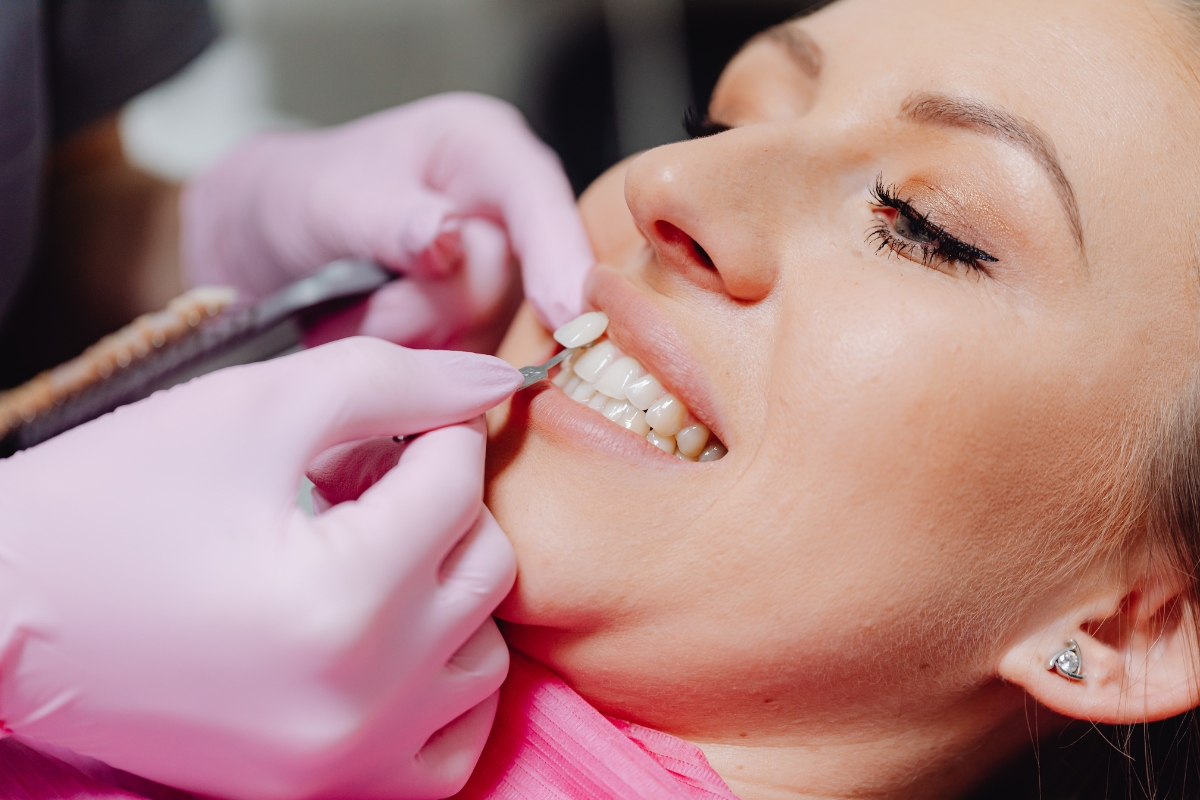
It should be quick and straightforward to operate the screening system. Your dentist will carry out an oral cancer examination of the inside of your mouth, including the tongue, the gums, the cheek, and the roof of your mouth. They may also examine your neck and jaw for any abnormal lumps or swelling. If all suspicious areas are detected, your dentist may recommend a trial, similar to a biopsy, to confirm the presence of malignant cells.
Signs You Should Consider Getting Screened Sooner
While annual oral cancer screening in Frisco, TX, is recommended, it is essential to be informed about the signs and symptoms that may indicate that you should have a screening. Such a list includes:
- A persistent sore or ulcer in the mouth
- Difficulty swallowing or chewing
- Pain in the throat or jaw
- Unexplained bleeding in the mouth
- Numbness or tingling in the mouth or lips
If you experience any of the above symptoms, book an appointment with your dentist immediately.
How Oral Cancer Screenings Benefit Your Health
In addition to detecting cancer early, regular screenings also allow your dentist to monitor your oral and gum health. Oral health is closely linked to overall well-being, and a dentist can help detect conditions such as gingivitis or early tooth decay that may require attention. You are funding your long-term well-being and happiness by managing the routine screenings.
Conclusion: Protect Your Health with Regular Screenings
We understand the importance of timely detection for oral health at V Smile Family Dental. In order to ensure timely detection of all potential challenges, we recommend that adults over 50 have annual oral cancer screenings. If you have any other questions, please contact us today to schedule an appointment and take a preliminary measure to protect your health.
If you’re over 50 and haven’t had an oral cancer screening in Frisco, TX recently, contact V Smile Family Dental today for an annual checkup. We are here to provide you with the care and attention that you deserve.
FAQs
What are the symptoms of oral cancer?
The symptoms include persistent mouth pain, difficulty swallowing, and unexplained bleeding. See your dentist immediately if you experience these symptoms.
Does insurance cover oral cancer screening?
In particular, your dental insurance plan excludes daily oral cancer screening from your annual dental examination. Check with your supplier for more specific information.
How long does an oral cancer screening take?
As part of your regular dental examination, your oral cancer screening usually takes only a couple of minutes.
Can oral cancer be treated?
Yes, if oral cancer is detected early, it can be successfully treated. Depending on the situation, surgery, radiation, or chemotherapy may be part of the treatment.
How often should I visit the dentist after age 50?
For the next generation aged 50+, it is recommended to see a dentist at least once a year for oral cancer screening and regular check-ups.
What are the risk factors for oral cancer?
Tobacco use, heavy alcohol consumption, and family history of oral cancer are among the risk factors. Furthermore, certain viruses, such as HPV, may increase vulnerability.
Can oral cancer be prevented?
Although it cannot be completely prevented, you can reduce the risk by refraining from tobacco and alcohol use, practicing good oral hygiene, and having regular examinations.